


MANAGING MICE THIS SEASON
High mouse populations remain a significant challenge for growers in certain regions of Australia who are heading into winter cropping. With the…
Nationwide shipping! Now with Express shipping option as well. Click here for details.

High mouse populations remain a significant challenge for growers in certain regions of Australia who are heading into winter cropping. With the right preparation and monitoring, the risk to establishing crops can be significantly reduced.
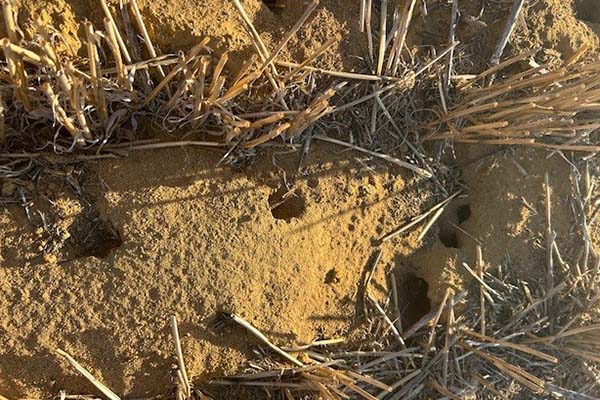
Going into winter crops, check all stubble paddocks regularly. Counting active burrows along a 100 metre transect is a reliable method of estimating mouse numbers. This should be done in several locations across each paddock and across all paddocks scheduled for planting.
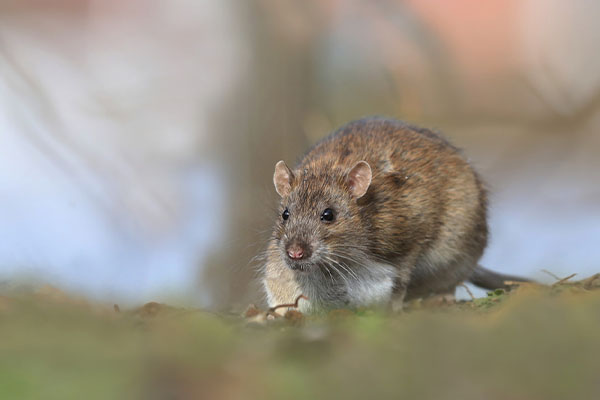
Based in Northampton, agronomist Belinda Eastough said mice numbers in her area are currently higher than seen during plagues of previous years.
“Mice numbers are higher than we previously saw in the 2021 and 2022 plagues in the Northampton area,” Belinda said
“We are currently counting an average of 30 holes per 100 m², which equates to approximately 6,000 mice per hectare in paddocks with more than 100 kg/ha of grain on the ground.
“At present mouse cards are not an effective way to determine population numbers in our area, due to high levels of background food.
“Active burrows are currently a more accurate way of determining population levels in the Northampton to Yuna area.”
Everyone is encouraged to use the MouseAlert website to report sightings and help keep local data up to date.
Mouse populations build rapidly when large food sources are available, particularly after strong cereal seasons. Grain remaining in fallowed paddocks continues to provide both food and shelter.
The good news is that high mouse numbers will also drive competition for those resources. As food sources are reduced, control measures become more effective. Spraying out germinations and grazing fallow paddocks with sheep (where possible) can continue to deplete available food, helping ensure baiting is most effective at planting.
Broadscale zinc phosphide* treated grain remains an effective baiting option when applied at the label rate of 1 kilogram per hectare. While this may seem minimal, it equates to approximately 1.5 lethal doses per square metre.
Timing is critical. Applying bait immediately after planting can significantly reduce crop seed damage. Ideally, bait should be spread behind the planter so residual food sources are covered and bait remains easily accessible to mice. Where this isn’t possible, baiting within 24 hours of planting will still help reduce risk from high mouse populations. Always read and follow the directions on products.
Active monitoring and early management will give winter crops the best chance to emerge and establish successfully, even under high mouse pressure.
*Always read and follow product advice and directions.
Great range - quick and secure delivery
Buy securely online and pickup at your local store
Call your local store and come on down to pickup