


LIVESTOCK: OFFERS FROM THE AUTUMN CATALOGUE
Here are our leading offers for Livestock from the Autumn Catalogue. Bonus items will be available in-store at your local AIRR member…
Nationwide shipping! Now with Express shipping option as well. Click here for details.

Article Courtesy Elanco
HOW TO OPTIMISE PRODUCTION BY MANAGING MINERALS
Trace minerals are essential to a wide range of processes within the body, but are only required in very small amounts. These minerals may make up only a small portion of an animal’s daily dietary intake, but play an important role in everyday life, especially for the key functions of growth, reproduction and immune defence. Present in the soil to varying degrees, trace minerals are taken up by plants and
then absorbed by livestock when consumed.
Zinc, manganese, selenium, copper and cobalt are among the most important trace minerals in livestock. New Zealand research has shown that pastures can be significantly deficient in these minerals throughout the country, meaning what our livestock are eating may not meet the daily requirements for one or more of these minerals1.
Supplementation is an important part of any animal health management plan to manage these trace minerals for optimum health and performance. Vitamin B12 is important for energy production in ruminants.
Normally cobalt is taken up through the diet and converted to vitamin B12 by rumen micro-organisms. Vitamin B12 is then absorbed and is an essential part of gluconeogenesis, the process by which ruminants create glucose for energy. If cobalt levels are low in pasture, vitamin B12 levels can fall and this can limit energy available for body processes.
Class of stock and their requirements
Every animal has a requirement for trace minerals and vitamin B12 throughout their life. At key times such as during rapid growth or lactation, the demand for these is greater. If trace mineral levels are below requirements, then production potential may be limited. Production targets to ensure consistent annual calving are already within a tight window, and any limitation to hitting these targets can have long term consequences for production, profitability and sustainability.
Young stock and weaners have a greater requirement for trace minerals due to their rapid growth rates and need to develop strong and robust immune systems.
Animals that are stressed for any reason, such as feed restriction, transport or changed surroundings (e.g. mixing into new social groups), also have increased requirements as they still need to grow and maintain immune function.
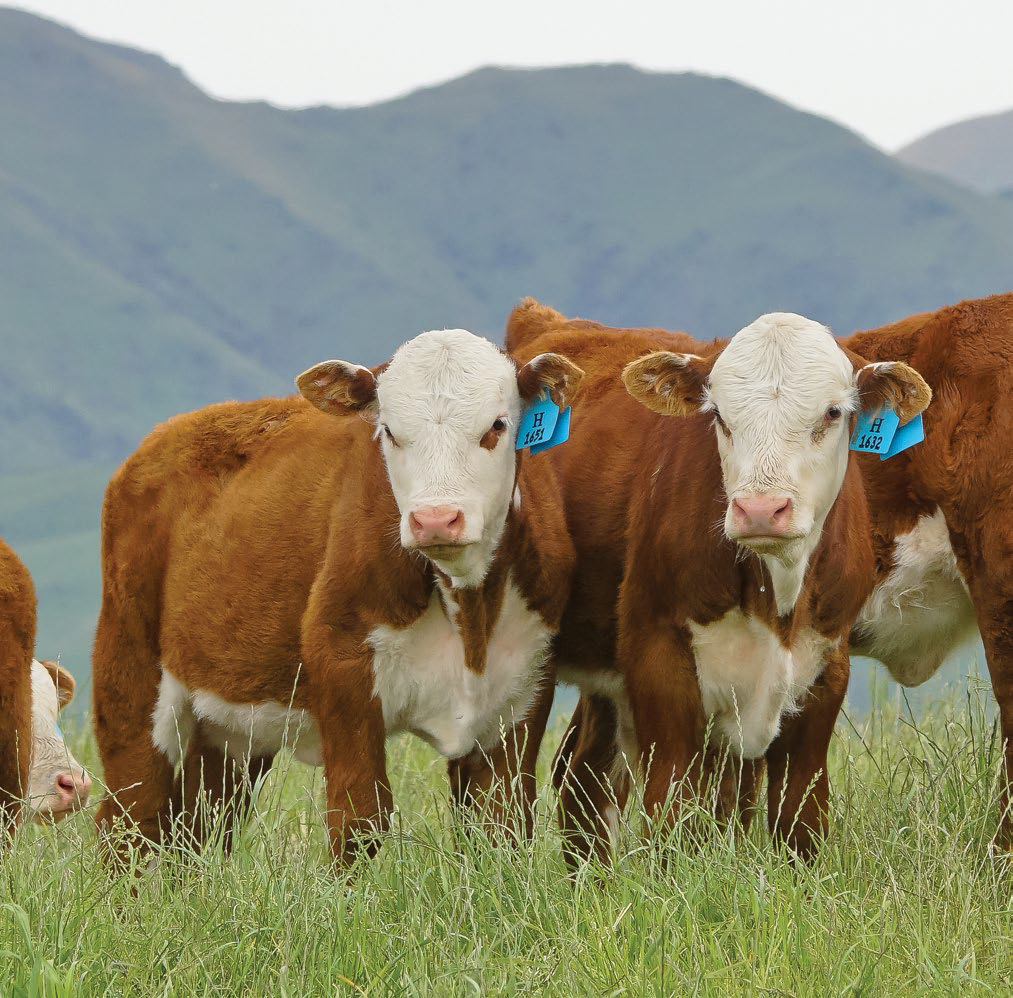
Bulls, heifers and cows also have greater requirements for trace minerals and energy heading into the mating season. Trace minerals play an important role in the function of both the male and female reproductive systems. If levels are not sufficient, these complex systems may not function to their full potential.
Trace minerals and vitamin B12 are also known to be required for maintenance and function of the immune system, essential to combat and prevent infection and diseases.
Using an injectable supplement prior to high demand periods can assist in maintaining mineral and energy levels and support optimum production.
VITAMIN B12
The final step to peak production
New Zealand’s soils, pastures and crops often fail to provide sufficient trace minerals required for optimal
performance. Supplementing those minerals is key and there are many ways to do this. However, in a world first, Marks-Min ZMSC with B12, developed here in New Zealand, combines zinc, manganese, selenium and copper with the energy-boosting properties of vitamin B12. Energy is
significantly important for ruminants – it’s the backbone of all body functions.
Cows can’t eat glucose for energy, they have to make their own and this is where the addition of vitamin B12 comes in. Vitamin B12 is essential for the production of glucose and therefore the energy required to ensure the other minerals will be optimised for real gains.
Optimal health and performance
The individual trace mineral status of an animal can be a rate limiting factor determining animal performance. If trace mineral levels are less than optimal, production may suffer, with processes such as growth, reproduction and immune defence not functioning to their capacity.
Optimising trace mineral and vitamin B12 levels by using feed or oral supplements may not be successful as there may be variation in individual intake, low absorption from the gastrointestinal tract, and complex interactions with other dietary components. These can limit the success of a supplementation program. Using injectable mineral supplementation can avoid these variables by being rapidly absorbed into the bloodstream and made readily available to support optimal health and production. Minerals not
immediately required may be stored in the liver and mobilised as required.
Managing trace mineral levels to ensure there is adequate supply, especially during high demand periods, is an important part of maximising production potential and managing animal health.
Great range - quick and secure delivery
Buy securely online and pickup at your local store
Call your local store and come on down to pickup